



Centre d'actualités
Published: 2026-06-30 11:04:00 Source: Selead Furniture Co,. Ltd.
Key Takeaway: The fastest way to eliminate maggots in your outdoor bin (Maden im Mülleimer) is a vinegar-water spray applied directly to the affected area, followed by a layer of salt or lime to dry them out completely. But treating an infestation is only half the battle. Flies lay eggs within hours of finding exposed food waste, and in summer temperatures above 25C, those eggs hatch into maggots within 8 to 24 hours. The most reliable long-term prevention is not a household spray — it is controlling the bin's environment: keeping it shaded, ventilated, and sealed inside a metal outdoor bin enclosure that denies flies access in the first place.
Every summer, households across Europe face the same unpleasant discovery: opening the wheelie bin to find dozens of small, white, wriggling maggots crawling along the lid and walls. In Germany, the search phrase "Mittel gegen Maden im Mülleimer" spikes every June through August. In the UK, "how to get rid of maggots in wheelie bin" follows the same seasonal pattern. The problem is universal, and the causes are the same everywhere: heat, food waste, and access.
This guide covers what actually works against maggots — from instant home remedies to the structural changes that prevent infestations from starting. Whether you manage a single household bin or a communal waste area for a multi-unit building, the principles are the same: deny flies the conditions they need to breed.
Maggots are not a random infestation. They are the larval stage of common houseflies and blowflies, and they appear because specific conditions have been met:
The cycle is fast. A fly lands on exposed waste, lays eggs, and leaves. You never see the fly. Within a day, those eggs are maggots. Within a week, those maggots are flies laying more eggs — in the same bin. Breaking this cycle requires either killing the maggots immediately or, better, preventing the fly from ever reaching the waste.
German households have developed a reliable set of Hausmittel (home remedies) that avoid the need for chemical insecticides. Chemical sprays kill maggots, but they also introduce toxins into waste that eventually reaches composting facilities or landfill. The following methods are equally effective, cheaper, and safer for the environment.
The most widely recommended remedy in German households: mix 3-4 tablespoons of vinegar essence (Essigessenz) into one litre of water. Spray directly onto maggots, the inside walls of the bin, the lid, and especially the rim where maggots tend to cluster. The acetic acid kills the larvae on contact. After a few minutes, sprinkle salt over the area to dehydrate any survivors. Once dry, the residual vinegar smell deters new flies from approaching.
Quicklime (Branntkalk) is the strongest household remedy for severe infestations. It reacts with moisture to create intense heat and alkalinity that rapidly desiccates maggots. Important safety note: quicklime is caustic when wet. Wear gloves and a mask, apply only outdoors, and use small quantities. For a safer alternative with similar drying action, use regular garden lime, rock dust (Gesteinsmehl), cat litter, or coarse salt. All of these draw moisture from the maggots' bodies, causing them to dehydrate and die.
Boil one litre of water, add one tablespoon of ground black pepper, stir thoroughly, and let the mixture cool. Pour into a spray bottle and apply generously to affected areas. The piperine in black pepper is a natural insecticide that disrupts the maggots' nervous system. As a side benefit, the hot water used in preparation also helps to disinfect the bin surfaces when sprayed while still warm.
For bins that are heavily infested and due for emptying, an aggressive approach works: pour a kettle of boiling water mixed with a generous amount of salt directly over the maggots. This kills them instantly and flushes the bin. Only use this method on bins that are empty or nearly empty, and only outdoors. Follow with a thorough rinse and drying period before the bin is used again.
What to avoid: Chemical insecticides are unnecessary and counterproductive. They introduce toxins into the waste stream, can harm pets and wildlife, and lose effectiveness over time as flies develop resistance. Stick to the physical and natural methods above.
Killing maggots solves the immediate problem. Preventing them solves it permanently. The three environmental factors that most influence whether your bin becomes a breeding ground are temperature, access, and time between collections.
| Prevention Factor | Why It Matters | What You Can Do |
|---|---|---|
| Temperature | Above 25C, maggot development accelerates from days to hours | Keep bins out of direct sunlight; a shaded bin can be 10-15C cooler inside |
| Access | A single fly can lay 150 eggs through a millimetre gap | Ensure lids seal completely; never overfill bins; use an enclosure with sealed access points |
| Time | Fortnightly collection gives flies a full breeding cycle | Wrap food waste in newspaper; double-bag protein-rich scraps; place bins for collection even when half-full in summer |
| Cleanliness | Residue on bin walls attracts flies and feeds larvae | Rinse bins after each collection; spray inside walls with vinegar solution periodically |
| Drainage | Standing water at the bottom creates a moist breeding environment | Store bins so water cannot pool inside; drill drainage holes if needed; use an enclosure that keeps rain out |
The common thread across all five factors is that the bin's physical environment matters more than any spray, powder, or trap. A bin that sits in full sun, with a loose lid, in an exposed location, will attract flies and breed maggots regardless of how often you treat it. Change the environment, and you change the outcome.
Home remedies treat the symptom. A well-designed outdoor bin enclosure treats the cause. The comparison below shows why households that invest in proper bin storage spend far less time dealing with maggots:
| Approach | Short-Term Fixes (Sprays, Powders, Wrapping) | Structural Prevention (Metal Bin Enclosure) |
|---|---|---|
| Temperature control | No effect — bin still sits in sun | Creates permanent shade; reflects heat with light-coloured powder coating |
| Fly access | Sprays deter some flies but must be reapplied weekly | Physical barrier; sealed seams and tight latches prevent fly entry at source |
| Rain and moisture | No protection from weather | Full weather protection; ventilated design prevents condensation |
| Animal access | No protection from foxes, rodents, birds | Lockable latching keeps all animals out |
| Effort required | Weekly treatment, especially in summer | One-time installation; minimal ongoing maintenance |
| Cost over 5 years | Moderate but recurring (sprays, powders, bin cleaning services) | One-time investment; powder-coated steel lasts 10+ years |
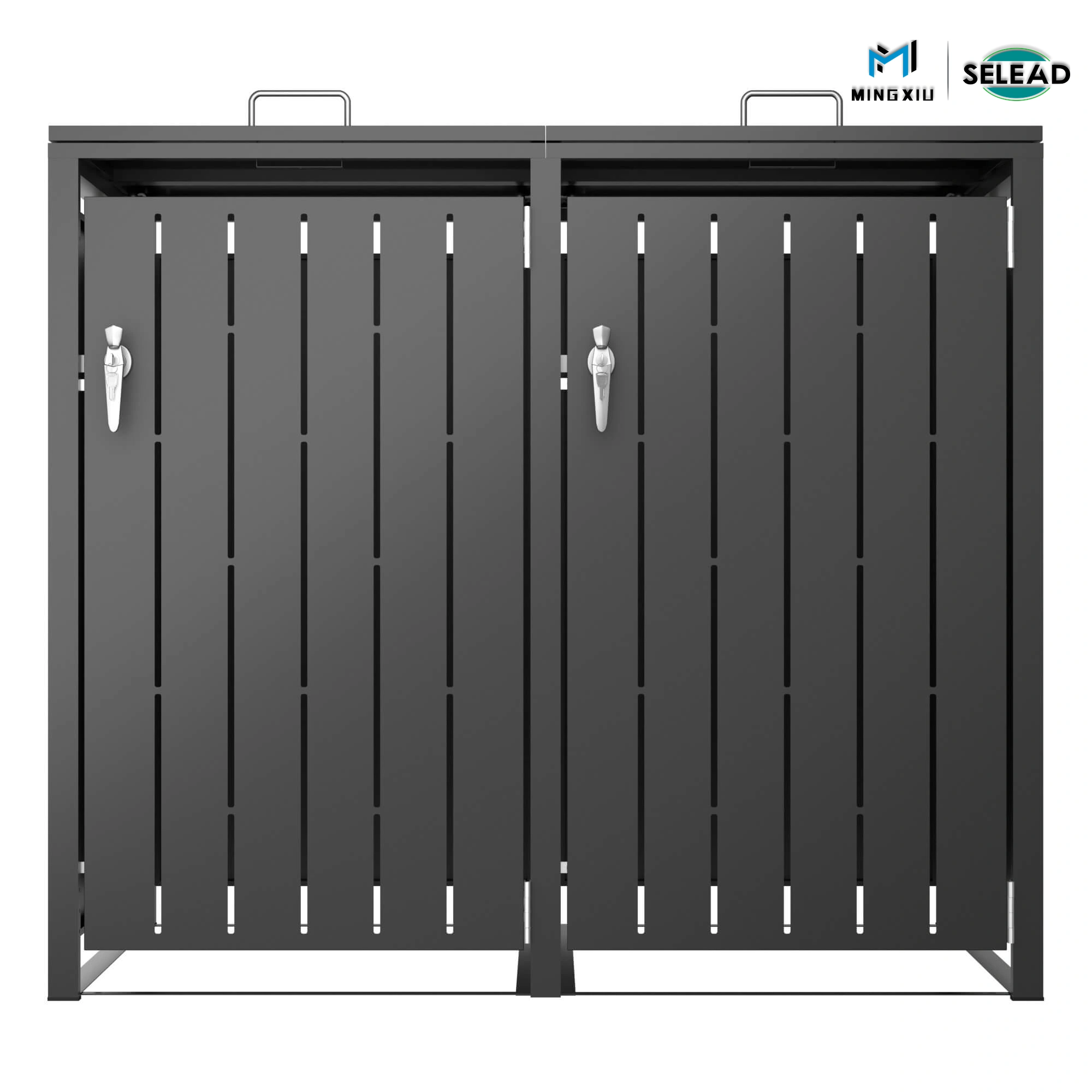
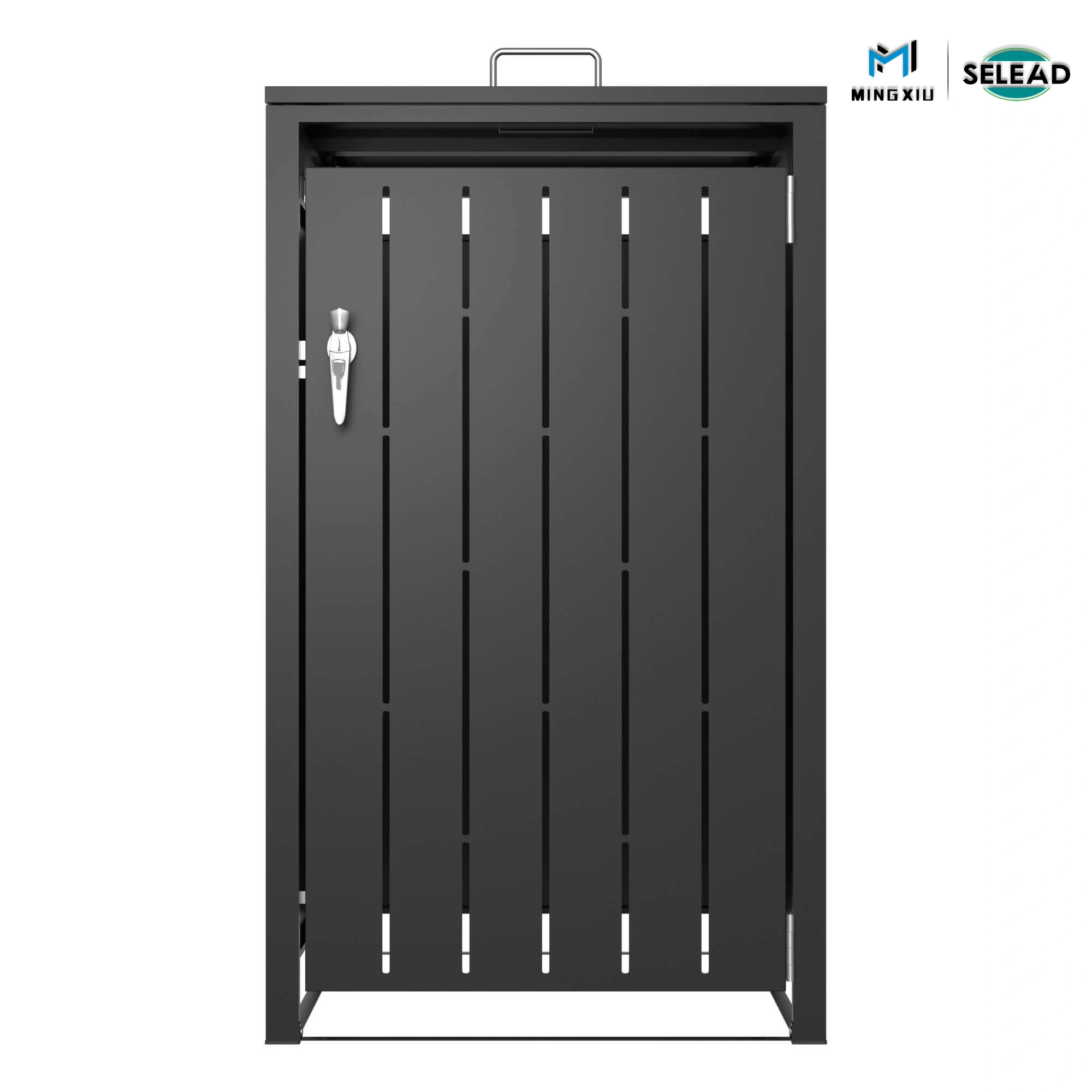
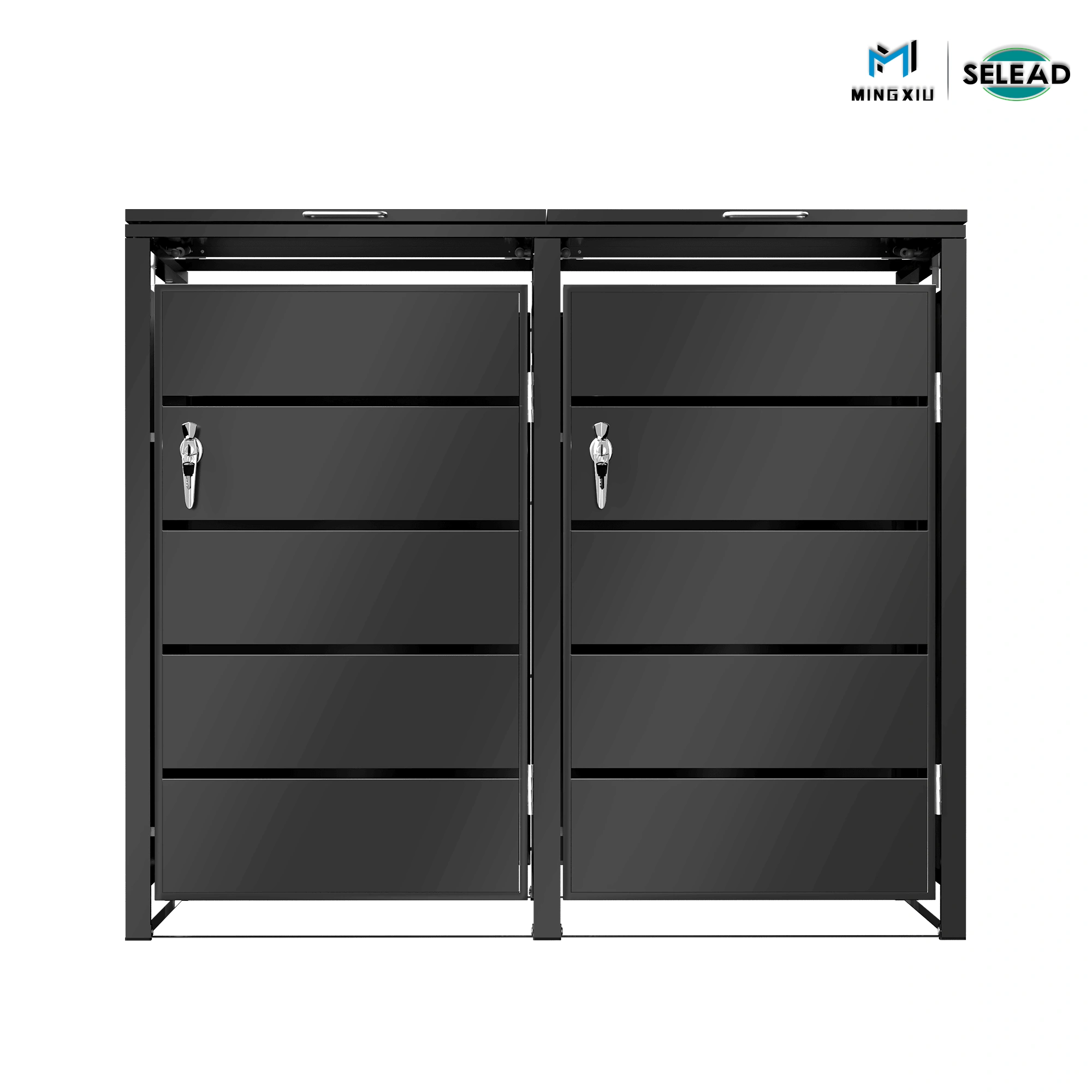
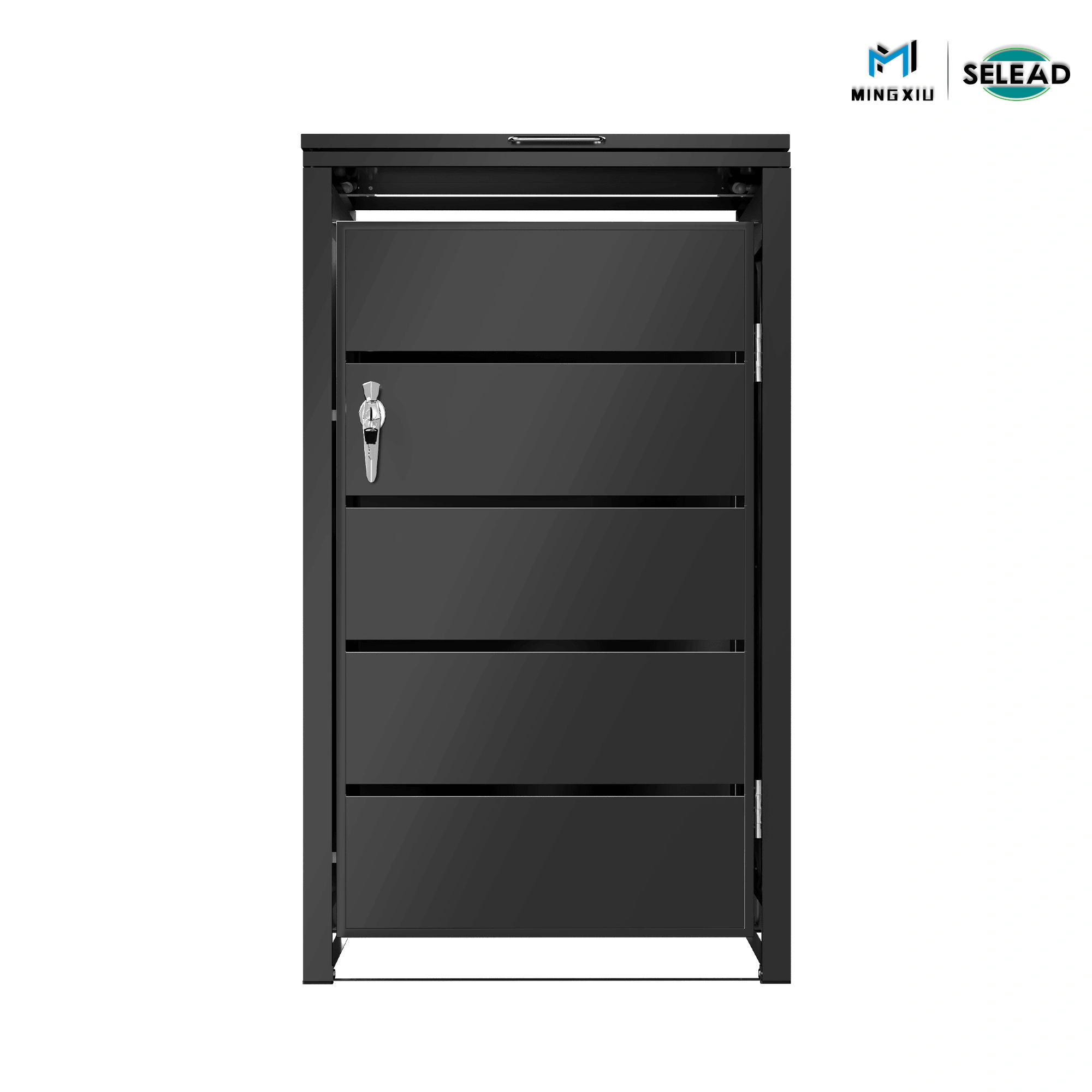
A galvanized steel bin enclosure with powder coating, ventilation grilles, and secure latching is the single most effective long-term solution for households in Germany, the UK, and across Europe. It addresses temperature, access, moisture, and animal intrusion simultaneously — without requiring weekly spraying, wrapping, or cleaning routines.
Even without a bin enclosure, these daily practices significantly reduce the likelihood of infestation:
Tired of fighting maggots every summer?
Our powder-coated steel bin enclosures keep waste shaded, ventilated, and sealed from flies and animals. Available in configurations for two to four wheelie bins — built for European weather conditions.
Request SpecificationsQ: What is the fastest way to kill maggots in an outdoor bin?
A vinegar-water spray (3-4 tablespoons of vinegar essence per litre of water) applied directly to the maggots kills them within minutes. Follow with a sprinkle of salt or garden lime to dehydrate any survivors. For severe infestations, boiling salted water poured directly over the maggots provides instant results.
Q: How quickly do maggots appear after a fly enters the bin?
At summer temperatures above 25C, fly eggs can hatch into maggots within 8 hours. At 30C or above — common inside a dark bin in direct sunlight — the cycle can be even faster. You may open a clean bin in the morning and find maggots by the evening.
Q: Are chemical insecticides necessary for maggot control?
No. German environmental guidance specifically recommends against chemical insecticides for household bins. Vinegar, lime, salt, and pepper solutions are equally effective, cost less, and do not introduce toxins into the composting or waste processing chain.
Q: Do bin enclosures really prevent maggots?
Yes — by addressing the root causes rather than the symptoms. A metal bin enclosure shades the bin (reducing internal temperature by 10-15C), provides a physical barrier against flies, keeps rain out while allowing ventilation, and prevents animal access. These four factors combined make maggot infestation significantly less likely than with an exposed kerbside bin.
Q: Why is my organic waste bin (Biotonne) worse than my general waste bin for maggots?
Organic waste bins contain exactly what flies want: moist, decomposing food material. General waste bins usually contain drier, less attractive waste mixed with non-food items. The Biotonne — common across Germany, Austria, and Switzerland — is the primary target for fly infestation, which is why wrapping food waste in newspaper and keeping the bin shaded are especially important for organic waste containers.
Q: What should I do if my neighbour's bins are causing a maggot problem that spreads?
Flies do not respect property boundaries. If a neighbouring bin is heavily infested, your bins are at higher risk even if you maintain them well. A sealed bin enclosure provides a physical barrier that prevents flies from moving between bins. For multi-unit properties, a communal waste bin storage area with proper enclosures is the most effective solution for shared waste areas.
Q: Does lime (Kalk) damage the bin or the environment?
Regular garden lime and rock dust are safe for bins and the environment when used in small quantities. Quicklime (Branntkalk) is more aggressive and can damage plastic bin surfaces if overused. Always wear gloves when handling any form of lime, and apply sparingly. Lime ultimately breaks down into harmless calcium compounds in the soil.
Q: Is there a difference between maggots in German bins vs UK bins?
The maggots are the same species — mostly housefly (Musca domestica) and blowfly (Calliphoridae) larvae — but the bin systems differ. Germany's widespread use of the Biotonne for organic waste makes maggot infestations more common there, because organic bins hold exactly the kind of food waste flies prefer. The UK's 2026 Simpler Recycling reforms, which mandate weekly food waste collections, may reduce the problem over time by shortening the interval between collections.
Maggots in the bin are a predictable summer problem with a predictable set of causes: heat, food waste, fly access, and time. Home remedies — vinegar spray, lime, salt, pepper water — provide fast relief and are the right first response for an active infestation. But they are not a permanent solution, because they do not change the conditions that allow the infestation to start.
The households that spend the least time fighting maggots are the ones that have changed the bin's environment: shaded rather than sun-exposed, sealed rather than fly-accessible, ventilated rather than moisture-trapping. A powder-coated galvanized steel bin enclosure delivers all three of those changes in a single installation — and it works in the German summer, the British summer, and every other climate where flies and food waste collide.
Whether you call it Madenbekampfung, maggot control, or simply "why does my bin smell and move in July," the answer is the same: change the environment, and you change the outcome.
Looking for a permanent solution to summer bin problems?
Selead manufactures galvanized steel bin enclosures designed for European weather — ventilated, lockable, and built to prevent the conditions that cause maggot infestations. ISO 9001 certified. Multi-bin configurations available.
Get a QuoteLuoyang Selead Office Furniture Co., Ltd. is a steel furniture manufacturer with over 15 years of export experience, ISO 9001 certified, serving buyers across Germany, the UK, Europe, and global markets. We manufacture outdoor metal bin enclosures, garden storage boxes, parcel cabinets, bike sheds, and mailboxes in powder-coated galvanized steel — designed to perform in all weather conditions and provide permanent protection against pests, weather, and seasonal waste management challenges. Contact our team for MOQ, catalog, and product specifications.
What Is a Recycling Bin: UK Types, Colours, Rules, and Outdoor Storage Guide 2026
Aucun article suivant