



Centro Notizie
Pubblicato: 2026-06-22 16:42:00 Fonte: Selead Furniture Co,. Ltd.
Key Takeaway:As UK councils shiftheatwave bin collectionstart times to 5am and 6am to protect crews from 38C temperatures, millions of households face a new practical challenge: keeping bins secure, pest-free, and hygienic between early-morning collections. A metal outdoor bin enclosure is not just a cosmetic upgrade; it becomes essential infrastructure for managing waste safely during extreme heat events. When councils change collection schedules with 24-hour notice, a lockable, weather-resistant bin store ensures your waste stays contained regardless of when the truck arrives.
June 2026 is shaping up to be a landmark month for UK waste management. As temperatures climb toward 38C and the Met Office warns of three consecutive days above 37C, councils across England are rewriting collection schedules. Cheltenham Borough Council and Somerset Council have moved bin collections to 6am. Bristol Waste is starting rounds at 5am. Residents are being asked to place bins at the kerbside hours before their normal routine — a small adjustment on paper, but one with cascading implications for waste hygiene, bin security, pest control, and outdoor storage.
This article explains what is changing, why it matters, and how households, property managers, and councils can use outdoor bin storage solutions to stay ahead of the heat.
The immediate change is straightforward: bin collection start times are moving earlier to protect frontline crews from the midday sun. Refuse collection is physically demanding work. In 38C heat combined with high humidity, the risk of heat exhaustion and dehydration rises sharply. Earlier collection means crews can finish their routes before temperatures peak.
Council actions so far:Cheltenham and Somerset councils have set 6am collection starts; Bristol Waste has moved to 5am. Residents must place bins at the kerbside by 6am at the latest — and in some areas, the night before.
However, the earlier schedule creates secondary problems. Bins left at the kerbside through the night are exposed to animals, wind, and opportunistic fly-tipping. Lightweight recycling containers and food caddies are easily tipped over. And with heat accelerating waste decomposition, the interval between collections becomes a genuine hygiene concern.
Coupled with the England recycling reforms that came into force on 31 March 2026, which require households to separate more waste streams, the number of containers per household has increased. More bins, earlier collections, and higher temperatures combine to create a logistical stress point that many UK households have not faced before.
Heat accelerates everything that makes waste problematic. Food scraps ferment within hours. Bin bags soften, leak, and release odors. Research from pest control specialists confirms that fly eggs can develop into maggots in as little as eight hours in high temperatures. A fortnightly collection cycle — already stretched in normal conditions — becomes a genuine public health risk during a sustained 35C-plus heatwave.
The risk is highest in dense residential areas, near schools, around food service premises, and anywhere multiple bins are clustered at a single collection point. During a heatwave, the odor plume from unsecured bins is not just unpleasant. It actively attracts flies, wasps, rodents, and foxes — each bringing additional hygiene and safety risks.
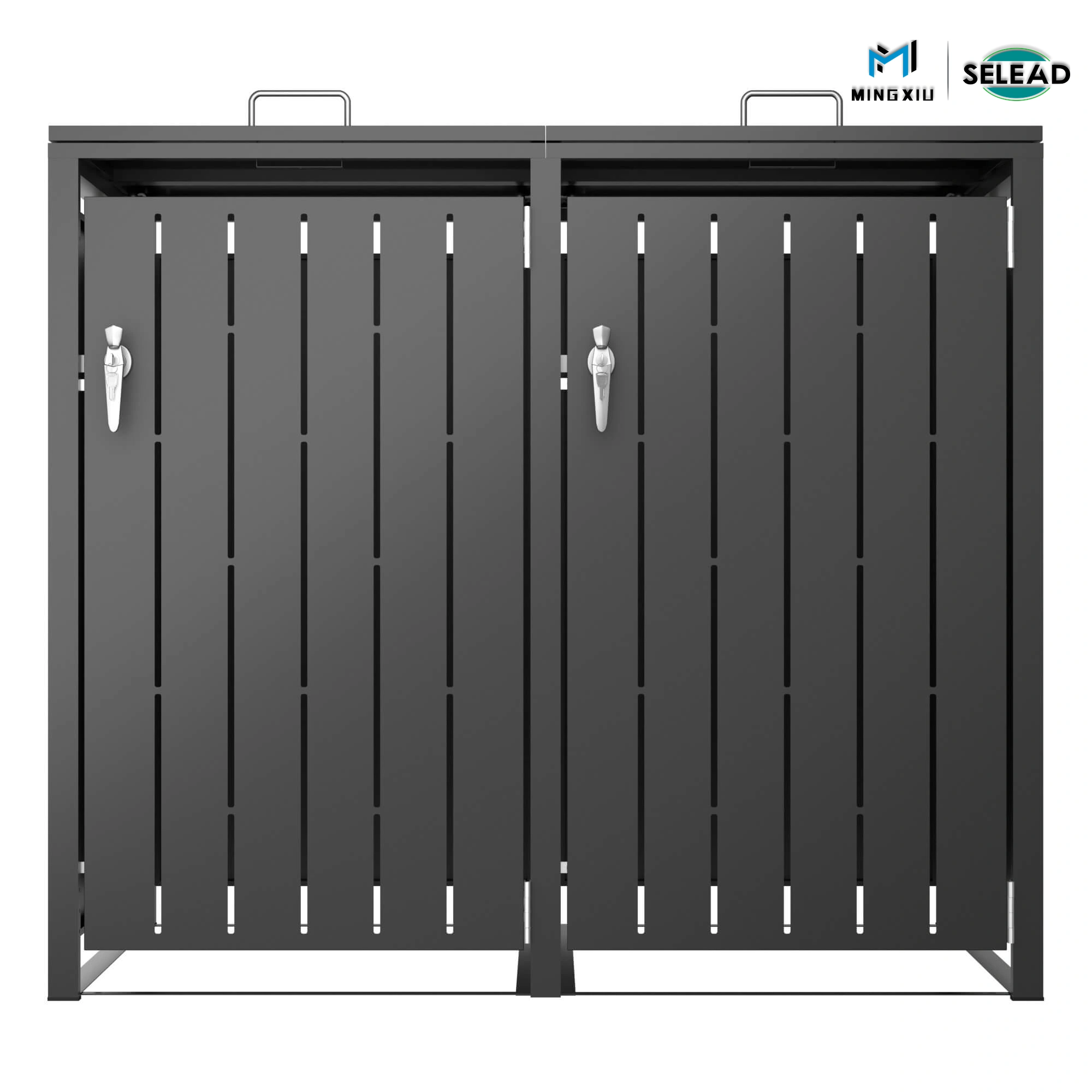
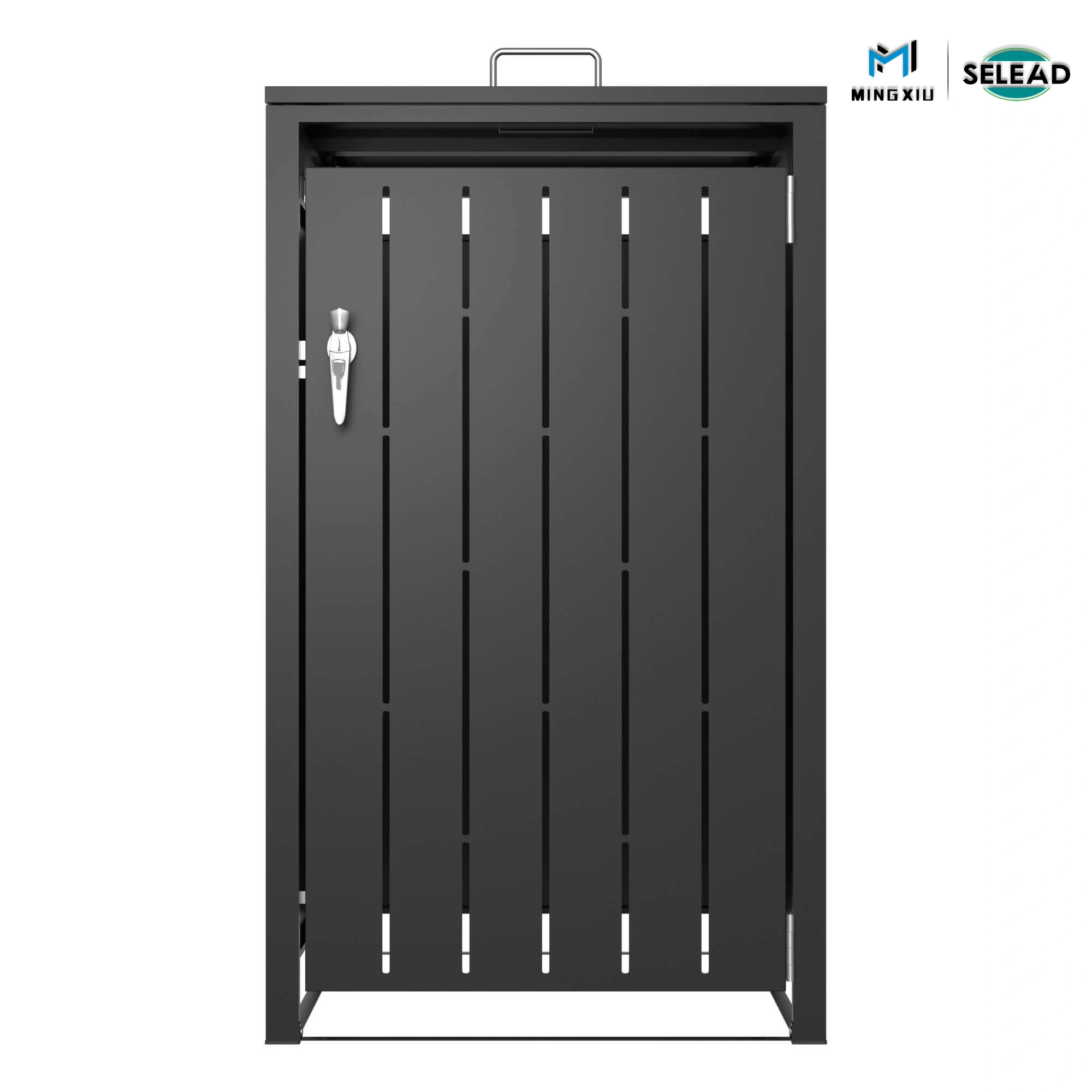
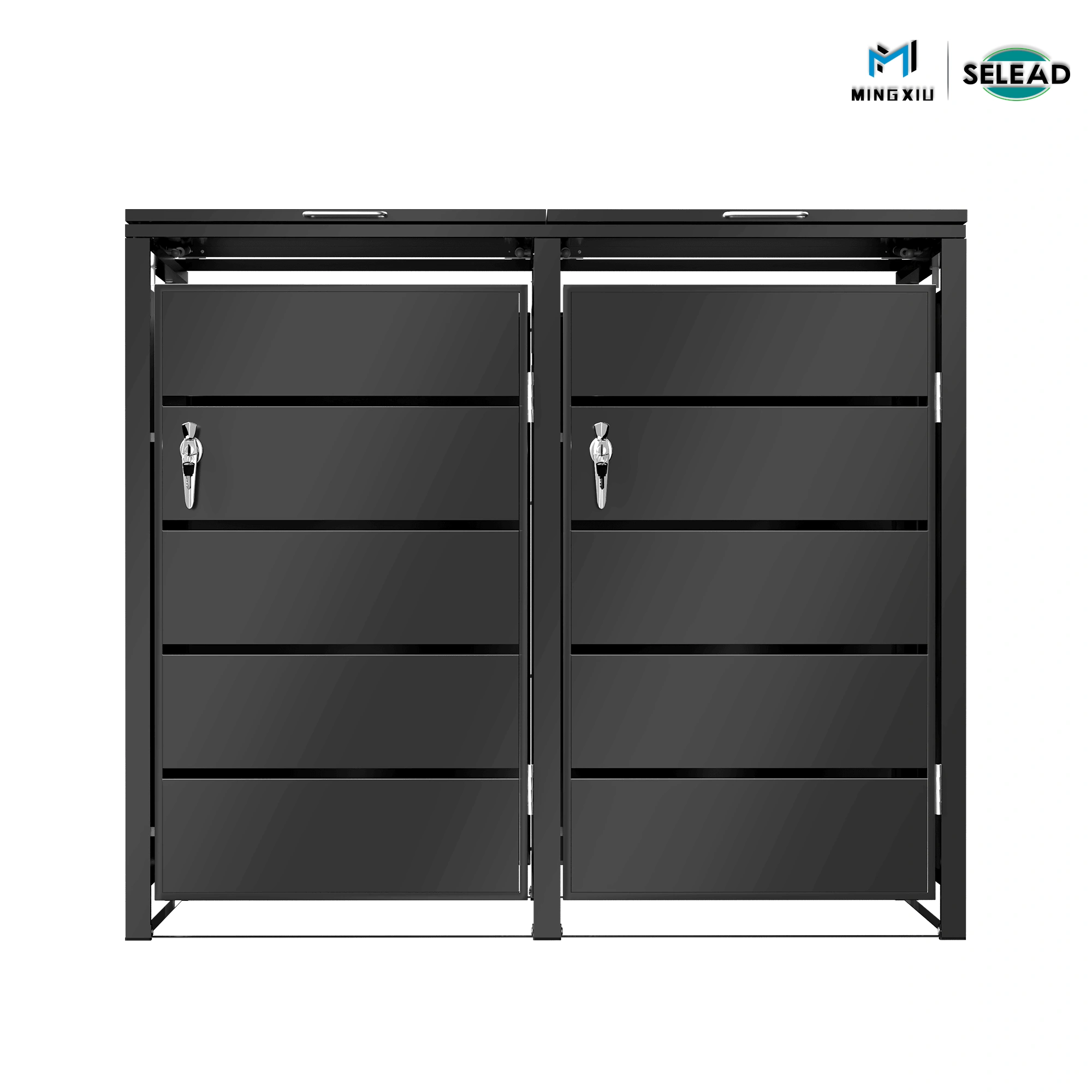
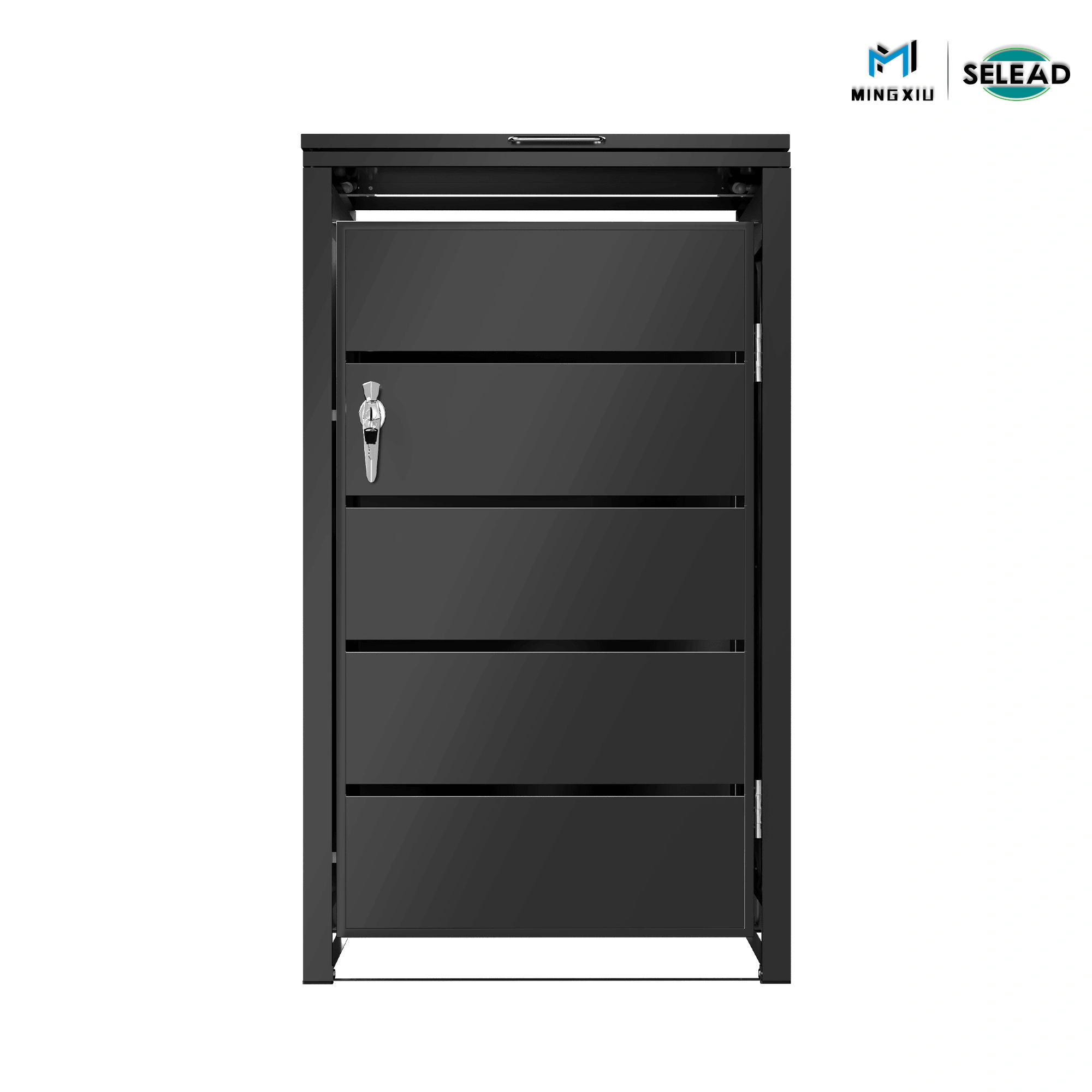
This is where outdoor bin storage moves from a cosmetic preference to a practical necessity. A well-designedmetal bin enclosurekeeps waste contained, ventilated, and inaccessible to pests. It shields bins from direct sunlight, which slows decomposition. It prevents wind from tipping lightweight containers. And it gives households a predictable, secure storage point regardless of collection times.
Not all bin storage performs equally when temperatures rise. The table below compares the three most common material choices under heatwave conditions:
| Performance Factor | Plastic Bin Store | Timber Enclosure | Powder-Coated Steel Enclosure |
|---|---|---|---|
| Heat resistance | Low — can warp and soften in sustained 35C+ heat | Moderate — requires treatment; joints expand and contract | High — reflects heat, maintains structural stability |
| Pest protection | Moderate — seams can be breached by rodents | Moderate — joints can harbor insects | High — sealed seams, secure latching, no pest entry points |
| Odor containment | Low — plastic absorbs and retains odors over time | Moderate — porous surface can trap smells | High — non-porous surface; ventilation without odor bleed |
| Durability | 3-5 years; UV degradation accelerates in heat | 5-8 years with regular maintenance | 10+ years; galvanized steel with powder coating |
| Fire resistance | Low — flammable material | Low — combustible in dry conditions | High — non-combustible; important near buildings in heatwaves |
| Typical cost | Low upfront; frequent replacement needed | Medium upfront; ongoing maintenance costs | Medium-high upfront; lowest total cost over 10 years |
For households facing repeated heatwave events — and Met Office projections suggest these will become more frequent — the cost-benefit analysis shifts decisively toward metal enclosures. A powder-coated steel bin store is not just a purchase for one hot summer. It is infrastructure that works in winter rain, summer heat, and every season between.
If your council has announced earlier collection times, here is a practical checklist that goes beyond "put the bin out earlier":
Looking for a durable outdoor bin storage solution?
Our powder-coated steel bin enclosures are built for UK and European weather conditions — from summer heatwaves to winter storms. Galvanized steel construction with secure latching and ventilation.
Request SpecificationsFor property managers overseeing multi-unit residential developments, earlier bin collections create a site-wide coordination challenge. When dozens of bins need to be presented simultaneously at 5am or 6am, the logistics of bin store access, collection point placement, and post-collection retrieval become significantly more complex than standard daytime operations.
Local councils are caught between two pressures: protecting collection crews from dangerous heat exposure, and managing the public health consequences of bins left out longer in high temperatures. Some councils have begun exploring permanent changes to collection infrastructure — including the specification of communal metal bin enclosures in new housing developments — as a way to reduce the impact of schedule volatility on residents.
The 2026 England recycling reforms have already required councils and households to rethink waste separation. With more containers per household — typically separate bins for general waste, mixed recycling, food waste, and garden waste — the physical footprint of kerbside waste has grown. A communal or individualwaste bin storage cabinethelps consolidate that footprint into a single, managed location.
Looking ahead, conversations are emerging at council level about permanent summer schedule adjustments, investment in communal bin enclosures for new developments, and education campaigns on waste storage and bin hygiene during hot weather. These discussions mirror what has already happened in Southern Europe and Australia, where summer heat management has long been part of municipal waste planning.
Q: Why are bin collections being moved earlier during the heatwave?
Councils are moving bin collection start times to 5am or 6am to protect collection crews from dangerous midday heat. With Met Office warnings of 38C temperatures and high humidity, physical work in the afternoon sun poses a genuine health risk to frontline workers. Earlier collections allow crews to finish their routes before the peak heat of the day.
Q: Which UK councils have changed bin collection times?
As of June 2026, Cheltenham Borough Council and Somerset Council have moved collections to 6am. Bristol Waste has started rounds from 5am. Other councils are monitoring the situation and may announce changes if the heatwave extends beyond the current forecast period.
Q: What time should I put my bins out during the heatwave?
Check your local council website for specific guidance. In most affected areas, residents are asked to place bins at the kerbside by 6am at the latest. Many households are choosing to put bins out the night before collection. If you do this, take extra care to secure lids and position bins where they are less exposed to wind and animals.
Q: How can I stop my bin from smelling during a heatwave?
Double-bag food waste, rinse recycling containers before disposal, and freeze particularly odorous waste until collection day. A metal bin enclosure with ventilation keeps bins shaded and reduces the temperature inside the storage area, which slows decomposition and odor production.
Q: Will a metal bin enclosure keep pests away during hot weather?
Yes. A properly designed steel bin enclosure with sealed seams, secure latching mechanisms, and integrated ventilation grilles prevents rodents, foxes, and flies from accessing bins. Unlike plastic or timber alternatives, metal enclosures do not develop entry gaps over time and do not harbor insects in joints or crevices.
Q: Are bin collection changes temporary or permanent?
The current changes are temporary and tied to the June 2026 heatwave. However, several councils are exploring permanent summer schedule adjustments, particularly as climate projections indicate extreme heat events will become more frequent. The 2026 experience may accelerate long-term changes to how UK councils manage summer waste collection.
Q: Do I need a bin enclosure if I only have one or two bins?
It depends on your circumstances. Even a single bin sitting in direct sunlight during a 35C-plus heatwave will decompose faster and attract pests. If your bin storage area is shaded, secure, and away from living areas, you may not need an enclosure. But if your bins sit at the front of your property, in full sun, or near windows and doors, a ventilated metal enclosure provides meaningful protection for hygiene, appearance, and pest control.
Q: What should property managers do about communal bins during a heatwave?
Property managers should communicate the new collection times to all residents immediately, ensure bin store areas are accessible for early-morning crew access, and check that lids, latches, and ventilation on existing bin stores are functioning correctly. If communal bins are currently stored in the open, the heatwave may be the trigger to consider a permanentoutdoor waste storage solutionthat improves hygiene and reduces complaints.
The 2026 UK heatwave has triggered a series of bin collection changes that affect millions of households. Crews are starting earlier. Residents are adjusting their routines. And the limitations of unsecured kerbside waste storage are becoming visible in real time.
For households, the immediate priority is to follow council guidance and present bins on time. But the larger opportunity is to treat outdoor waste storage as essential infrastructure — not an afterthought. A metal bin enclosure protects against pests, weather, odors, and the unpredictability of changing collection schedules. It works regardless of whether the council collects at 5am, 7am, or any other time.
For councils, developers, and buyers sourcing outdoor storage products, the same logic applies at scale. The 2026 heatwave is not just a weather event. It is a signal that how we store waste between collections matters at least as much as how we put it out.
Need a weather-resistant bin enclosure for your property or development?
Selead manufactures powder-coated galvanized steel bin enclosures built for UK and European outdoor conditions. Single-unit to multi-bin configurations available. ISO 9001 certified.
Get a QuoteLuoyang Selead Office Furniture Co., Ltd.is a steel furniture manufacturer with over 15 years of export experience, ISO 9001 certified, serving buyers across the UK, Europe, and global markets. We manufacture outdoor metal bin enclosures, parcel cabinets, mailboxes, bike sheds, and garden storage boxes in powder-coated galvanized steel — designed to perform in extreme weather conditions.Contact our teamfor MOQ, catalog, and product specifications.
Steel Furniture Quality Control Guide: How Importers Can Prevent Defects Before Shipment
Nessun articolo successivo