
News Center
Published: 2025-12-24 14:26:00 Source: Luoyang Selead Office Furniture Co,.Ltd.
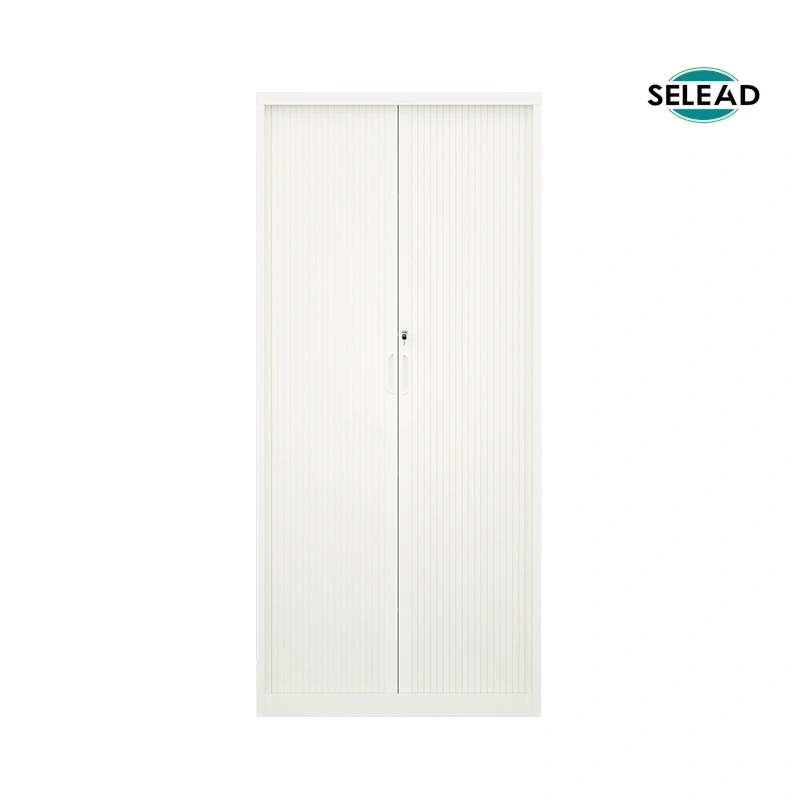
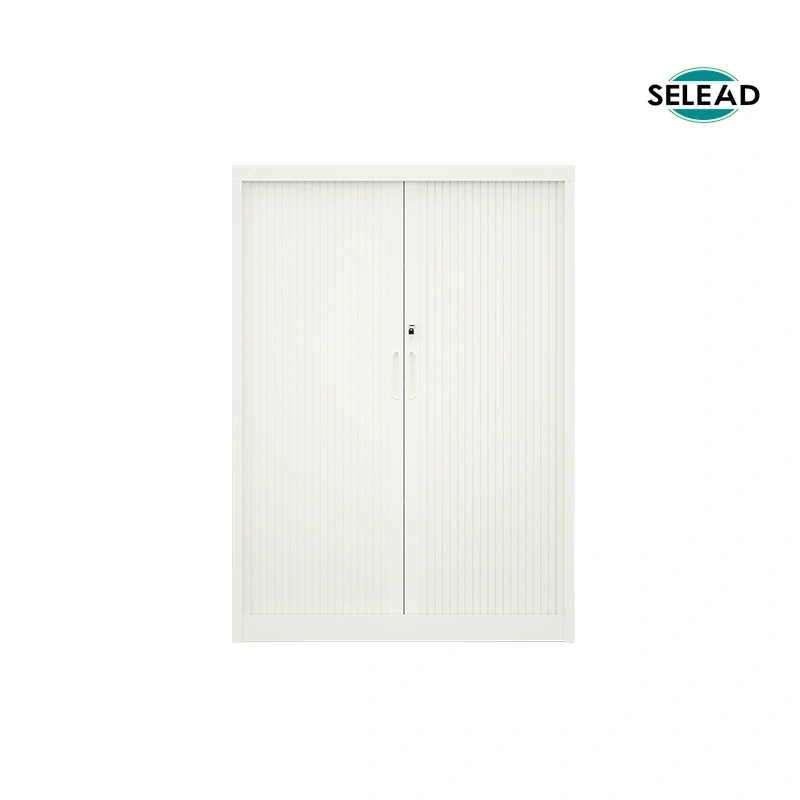
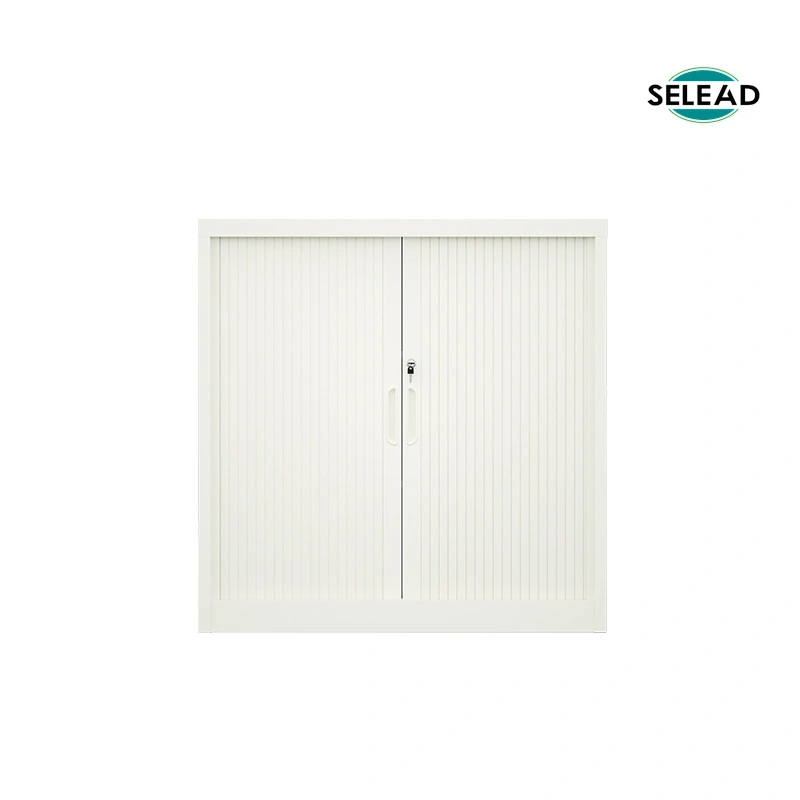
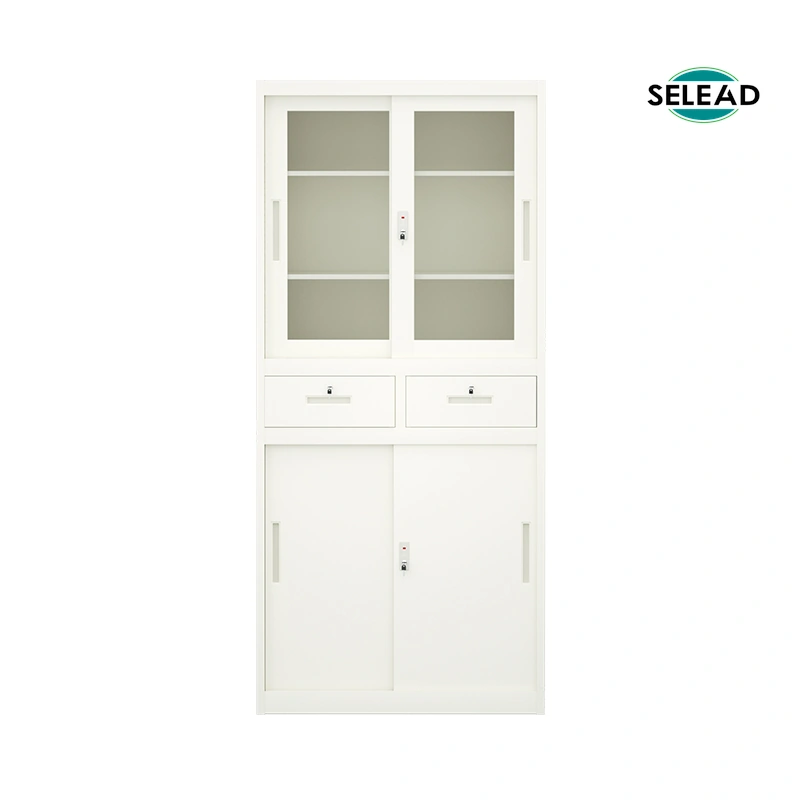
Small file cabinets with locking mechanisms provide essential document security and space-efficient storage for modern offices, home workspaces, and professional environments. Understanding how to select the right locked small file cabinet requires knowledge of security features, cold-rolled steel construction, space optimization, and organizational needs. This comprehensive guide explains why small file cabinets with locks are preferred for confidential information and how to evaluate options to match your specific security and storage requirements.
Need Professional Guidance? Contact Selead via WhatsApp for customized small file cabinet solutions with advanced locking mechanisms tailored to your security requirements.
Small file cabinets with locking mechanisms address critical security needs in modern workplaces. Organizations increasingly handle sensitive employee information, financial records, legal documents, and confidential client data requiring restricted access and physical protection. A small file cabinet with lock provides immediate document security without requiring dedicated secure rooms or expensive vault systems[1].
Regulatory compliance requirements in healthcare, financial services, and legal professions mandate secure storage for protected information. HIPAA, PCI-DSS, and GLBA standards require that organizations implement physical controls restricting access to sensitive documents. Small locked file cabinets provide accessible, affordable compliance solutions for individual departments and home offices[1][2].
Personal security concerns drive demand for small locked cabinets in home offices, supporting remote work arrangements and personal finance management. Small file cabinets with locks protect tax records, insurance documents, medical files, and estate planning materials from unauthorized family member or visitor access[2].
Small file cabinets with locks address space constraints common in modern office environments. Compact dimensions typically range from 16-20 inches wide, 12-18 inches deep, and 24-36 inches tall, fitting under desks, in closets, or alongside walls without occupying significant floor space. This space efficiency enables departments to implement document security without facility expansion or workspace reconfiguration[3].
Two-drawer and three-drawer configurations common in small locked cabinets provide adequate capacity for departmental records while remaining mobile and accessible. Full-extension drawers on quality models enable complete access to file contents without requiring file retrieval from back spaces[3][4].
| Cabinet Type | Height Range | Document Capacity | Best Application |
|---|---|---|---|
| 2-Drawer Small Cabinet | 24-28 inches | 2,000-3,500 sheets | Personal use, small departments |
| 3-Drawer Small Cabinet | 32-36 inches | 3,500-5,500 sheets | Department files, growing archives |
| Lateral Small Cabinet | 16-32 inches | 1,500-4,000 sheets | Limited space, mixed document types |
Small file cabinets with locks offer multiple locking system options providing varying security levels for different information protection requirements. Understanding available mechanisms enables selection of appropriate security features matching organizational risk profiles and compliance obligations[4][5].
| Lock Type | Description | Security Level | Ideal Application |
|---|---|---|---|
| Single Drawer Lock | Individual drawer keyed | Low-Medium | Basic access control within departments |
| Central Lock | Single key controls all drawers | Medium | Confidential documents, standard offices |
| Cam Lock | Rotating lock mechanism top mounted | Medium-High | Professional offices, small departments |
| Cylinder Lock | Traditional keyed cylinder mechanism | Medium-High | Reliable security, personnel records |
| Electronic Lock | Keypad or card access control | Very High | Compliance-critical, audit trail required |
| Biometric Lock | Fingerprint or facial recognition | Maximum | High-security government, sensitive data |
Central locking systems remain the most practical option for small file cabinets with locks, providing security for all drawers with single key while maintaining simplicity and reliability. Keyed locks offer proven security without requiring batteries or electronic maintenance, suitable for most confidentiality requirements[4][5].
Small file cabinets with locks manufactured from cold-rolled steel provide superior security compared to alternative materials. Cold-rolled steel's enhanced strength and precise manufacturing enable construction of robust frames resisting tampering and forced entry attempts[5][6]. Cold-rolled steel thickness in small cabinets typically ranges from 0.5mm to 0.8mm, providing optimal balance between security, weight, and cost.
Cold-rolled steel construction ensures locking mechanisms remain firmly engaged without degradation from environmental factors. The material's superior surface finish resists corrosion around lock mechanisms, ensuring reliable operation throughout product lifespan. Small locked cabinets manufactured from 0.6-0.8mm cold-rolled steel provide 20+ year service life with minimal maintenance[5][6].
Small file cabinets with locks use cold-rolled steel ranging from 0.5mm to 0.8mm thickness depending on security requirements and intended load capacity. Standard commercial-grade small cabinets employ 0.6mm cold-rolled steel providing balanced durability and weight efficiency. Premium models with enhanced security use 0.7-0.8mm thickness for superior frame rigidity and lock security[6].
| Thickness (mm) | Inches | Durability Grade | Security Rating | Best Use |
|---|---|---|---|---|
| 0.5mm | 0.020 inches | Standard | Medium | Light-duty, personal storage |
| 0.6mm | 0.024 inches | Standard-Plus | Medium-High | Standard commercial offices |
| 0.7mm | 0.028 inches | Heavy-Duty | High | High-security departments |
| 0.8mm | 0.032 inches | Heavy-Duty Premium | Very High | Legal/compliance records, maximum security |
Verify cold-rolled steel thickness specifications in product documentation before purchasing. Quality small file cabinets with locks feature continuous welded seams, reinforced corners, and integrated frame bracing providing structural integrity supporting lock mechanisms and resisting prying attempts[6].
Small file cabinets with locks require smooth, reliable drawer operation despite compact dimensions. Quality models employ ball-bearing slides enabling full-extension access to all stored documents. Progressive springs control drawer closing speed preventing slamming and finger pinch hazards critical in shared office environments[4][7].
Load capacity per drawer in small cabinets typically ranges from 40-75 pounds depending on slide quality and material thickness. Quality ball-bearing slides support 60+ pound loads per drawer even in compact designs. Drawer mechanism durability should withstand minimum 100,000 opening/closing cycles per ANSI-BIFMA standards[4][7].
Small file cabinets with locks benefit from powder coat finishes applied to cold-rolled steel surfaces. Powder coating creates hardened protective layer resisting scratches and chemical damage while maintaining professional appearance for 15+ years. Cold-rolled steel's superior surface finish requires minimal primer preparation, enabling durable, cost-effective finishing[6].
Routine maintenance extends small cabinet lifespan significantly. Regular cleaning with damp cloth removes dust preventing buildup. Periodic lock mechanism lubrication with light machine oil maintains reliable operation. Avoid abrasive cleaners that damage powder coat finishes[6][7].
Small file cabinets with locks typically measure 16-20 inches wide, 12-18 inches deep, and 24-36 inches tall, enabling flexible placement options. Desktop placement requires surface space approximately 18 inches wide by 16 inches deep, with clearance for top-mounted locks and key access. Verify exact dimensions matching your available space before ordering[3][7].
Drawer swing clearance requires 10-12 inches of space in front of cabinet for full drawer extension. Side-placement near walls reduces drawer access efficiency and should be avoided if frequent document retrieval is anticipated. Height placement should position middle drawers at comfortable waist height reducing repetitive strain and improving accessibility[3][7].
A 2-drawer small file cabinet with lock stores approximately 2,000-3,500 letter-size documents (50-90 file folders depending on thickness). A 3-drawer model accommodates 3,500-5,500 documents. Accurately assess organizational document volume and growth patterns to select appropriate cabinet size preventing overflow or underutilization[1][3].
Typical personal use (individual home office) requires 1,500-2,500 documents. Small department use (3-5 employees) needs 3,000-4,500 document capacity. Plan for 15-20% annual growth in document volume when selecting cabinet size, ensuring 3-5 year usability before potential replacement or expansion[1][3].
Many industries mandate secure document storage through regulatory requirements. HIPAA requires healthcare providers to control access to patient medical records. GLBA mandates financial institutions protect client information. State privacy laws increasingly require organizations to implement reasonable security measures protecting personal information[1][2].
Small file cabinets with locks provide cost-effective compliance foundation for organizations establishing document security. Locked storage demonstrates organizational commitment to information protection, potentially reducing liability exposure and insurance premiums. Failure to maintain reasonable security controls can result in regulatory fines, legal liability, and reputational damage[1][2].
Quality small file cabinets with locks range from 200-600 dollars depending on size, material thickness, and locking mechanism sophistication. Premium models with 0.7-0.8mm cold-rolled steel and advanced locks cost 400-600 dollars but provide 20+ year service life. Budget models costing 200-300 dollars may require replacement within 10-12 years, resulting in higher total cost of ownership[7].
Quality cabinets reduce operational costs through improved document accessibility and reduced search time. Reliable locking mechanisms eliminate security concerns and potential compliance violations. Employee satisfaction improves with well-functioning office equipment reducing frustration and improving workplace environment[4].
Quality small file cabinets with locks support sustainability goals through extended lifespan and material recyclability. Cold-rolled steel maintains functionality for 20+ years, reducing replacement frequency and manufacturing waste. At end-of-life, cold-rolled steel is fully recyclable with approximately 85% recovery rate, supporting circular economy principles[6].
Powder coat finishes contain zero volatile organic compounds (VOCs), eliminating off-gassing concerns common with liquid paint finishes. Cold-rolled steel manufacturing generates lower emissions compared to hot-rolling alternatives, reducing overall production environmental impact[6].
| Evaluation Category | Key Considerations | Importance |
|---|---|---|
| Cold-Rolled Steel Thickness | Is material 0.5-0.8mm? Are seams welded? Are corners reinforced? | Critical |
| Lock Type and Security | What locking system? Central or individual drawer? Key management system? | Critical |
| Dimensions and Space | Will it fit available space? What drawer swing clearance needed? | Critical |
| Drawer Performance | Are slides full-extension? What load capacity? Smooth operation? | High |
| Document Capacity | Meets current volume? Allows growth? Cabinet size appropriate? | High |
| Finish and Durability | Powder coat quality? Color options? Expected lifespan? | Medium |
| Warranty and Support | Warranty period? Lock replacement availability? Support quality? | Medium |
Small file cabinets with locks range from 150-600 dollars depending on specifications. Budget models (150-250 dollars) with 0.5mm cold-rolled steel and single-lock systems provide basic security suitable for personal use. Mid-range options (250-400 dollars) featuring 0.6mm thickness and reliable locking mechanisms serve standard office requirements. Premium models (400-600 dollars) with 0.7-0.8mm thickness and advanced security features protect sensitive compliance records[7].
Bulk purchase discounts typically apply for orders of three or more units, reducing per-unit cost by 10-15%. Financing options enable budgeting flexibility spreading costs across multiple periods. Compare total cost of ownership including maintenance and replacement cycles rather than initial purchase price alone[7].
Proper installation maximizes small file cabinet performance and security. Position cabinet level and stable using leveling feet. Verify surface adequately supports cabinet and contents weight (typically 75-200 pounds loaded). Allow 10-12 inches clearance in front for drawer access[7].
Test locking mechanism before loading documents. Ensure smooth lock engagement without resistance. Verify all keys function properly and maintain secure key management preventing unauthorized access[4][7].
Implement consistent file organization systems maximizing cabinet utility. Establish clear labeling conventions and filing protocols. Maintain inventory of stored documents enabling efficient retrieval. Lock cabinets when unoccupied and restrict key access to authorized personnel[1][4].
Quarterly lock mechanism cleaning and lubrication prevents binding and extends operational reliability. Annual cabinet inspection identifies potential finish damage or mechanical issues requiring correction. Regular maintenance extends service life and maintains security effectiveness[7].
Small file cabinets with locks provide cost-effective, practical solutions addressing document security and space constraints in modern offices. Quality cold-rolled steel construction combined with reliable locking mechanisms protects sensitive information while occupying minimal floor space. Whether securing personal financial documents, protecting departmental records, or maintaining compliance with regulatory requirements, small locked cabinets deliver essential security and accessibility[1][2].
Selecting appropriate small file cabinets with locks requires careful evaluation of security requirements, space constraints, document volume, and long-term cost implications. Quality models manufactured from 0.6-0.8mm cold-rolled steel with reliable locking systems provide 20+ year service life delivering superior value compared to budget alternatives requiring frequent replacement[6][7].
Contact Selead via WhatsApp to discuss your specific document security requirements, receive personalized recommendations on locking mechanisms and cold-rolled steel thickness specifications, and access competitive pricing on quality small file cabinets with locks customized to your space and security needs.
Selead provides professional-grade small file cabinet solutions with advanced locking mechanisms optimized for document security.
Contact Selead on WhatsApp for personalized recommendations on security features and competitive pricing on small file cabinets with locks.
[1] Information Security Standards Institute - Document Protection Requirements and Best Practices, 2024
[2] Regulatory Compliance Framework - HIPAA, GLBA, and Privacy Law Compliance Requirements
[3] Office Furniture Standards Institute - Small Cabinet Dimensions and Space Planning Guide
[4] ANSI/BIFMA X5.9-2019 - Storage Units Performance and Safety Standards
[5] Cold-Rolled Steel Research Institute - Material Properties and Security Applications, 2024
[6] Cold-Rolled Steel Furniture Specifications - Manufacturing Standards and Durability Analysis
[7] Document Security and Office Equipment - Selection and Maintenance Guidelines
Why Choose Us