
News Center
Published: 2025-12-31 15:00:00 Source: Luoyang Selead Office Furniture Co,.Ltd.
File storage cabinets represent fundamental infrastructure supporting modern office operations, regulatory compliance, information security, and organizational efficiency. Understanding why file storage cabinets are essential reveals critical dependencies between physical document management systems and organizational performance, legal requirements, and employee productivity. This comprehensive analysis explores the multifaceted reasons file storage cabinets remain non-negotiable office requirements despite digital transformation, examining compliance obligations, operational necessities, security requirements, and strategic organizational benefits.
Ensure Your Office Compliance and Security. Contact Selead via WhatsApp to explore professional-grade file storage cabinet solutions meeting your office requirements.
Healthcare organizations, financial institutions, and legal firms operate under stringent regulatory frameworks mandating secure physical document storage. HIPAA requires healthcare providers maintain confidential patient information with restricted access controls. GLBA obligates financial institutions protect customer financial information through comprehensive security systems. These regulatory frameworks explicitly recognize that purely digital systems cannot satisfy legal requirements without corresponding physical document control mechanisms[1][2].
File storage cabinets with locking mechanisms fulfill mandatory access control requirements preventing unauthorized personnel from accessing regulated documents. Regulatory audits specifically verify that organizations maintain physical document security infrastructure demonstrating compliance commitment. Regulators recognize that locked file cabinets represent baseline security measures differentiating compliant organizations from those risking violations[1][2].
Non-compliance with document storage requirements results in substantial financial penalties. HIPAA violations impose penalties ranging from $100-$50,000 per violation depending on severity. GLBA violations trigger comparable penalties plus potential criminal charges for individuals. Organizations without proper file storage cabinets face exponential financial exposure making cabinet investment trivial compared to violation costs[1][2].
Legal departments depend upon secure file storage cabinets for managing litigation holds, discovery obligations, and evidence preservation. When organizations face litigation, legal holds require preservation of documents potentially relevant to lawsuits. Failure to maintain adequate physical storage supporting discovery obligations constitutes spoliation—destruction or loss of evidence—triggering severe legal consequences[3][4].
Organized file storage cabinets enable rapid document retrieval during discovery phases satisfying procedural requirements and reducing litigation costs. Disorganized document storage creates discovery delays, attorney inefficiency, and potential contempt citations. Courts recognize that organizations maintaining professional document management systems demonstrate good faith discovery compliance compared to organizations with chaotic document storage[3][4].
Employment litigation particularly depends upon organized personnel file storage. Legal holds on employee records require secure, accessible storage preventing loss or damage. Organizations lacking adequate file storage face employment discrimination claims, wage violation claims, and other employment disputes with compromised ability to produce required documentation[4].
Tax regulations, employment laws, and corporate governance frameworks mandate specific document retention periods. The IRS requires payroll records retention for minimum seven years. Employment law requires personnel file retention for varying periods depending on jurisdiction and document type. SEC regulations impose specific retention requirements for publicly traded companies. File storage cabinets enable organizations to organize documents by retention schedule ensuring systematic document lifecycle management[2][3].
Audit trails require documented evidence demonstrating compliance with retention requirements. Auditors verify physical document storage systems confirming proper retention schedules and destruction procedures. Organizations lacking systematic file storage cannot satisfy auditor inquiries about document disposition, creating audit findings and potential enforcement actions[2][3].
File storage cabinets with locking mechanisms provide essential first line of defense against unauthorized document access. Locked cabinets prevent casual browsing, accidental exposure, and opportunistic theft of confidential information. Organizations establishing culture of locked document storage significantly reduce insider threats and information breaches attributable to inadequate physical controls[1][5].
Cybersecurity frameworks increasingly recognize that comprehensive information security requires both digital and physical controls. Organizations implementing strong cybersecurity while neglecting physical document security create vulnerability windows exploitable through physical theft. Locked file storage cabinets eliminate these vulnerabilities providing complete information security posture[1][5].
Data breach statistics consistently identify physical document theft as significant breach vector. Thieves targeting customer lists, financial information, or personal data often prefer physical documents over digital theft requiring technical sophistication. Secured file storage cabinets eliminate these theft opportunities preventing breaches attributable to inadequate physical safeguards[5].
Even well-intentioned employees inadvertently disclose confidential information when documents remain unsecured in accessible locations. Confidential salary information, personal identifiable information, health details, or trade secrets can be exposed when documents remain visible on desks or in unlocked storage. File storage cabinets remove documents from visible circulation preventing accidental disclosure through mishandling[1][5].
Visitors, contractors, or temporary employees can access unsecured documents causing unintended information exposure. Locked file storage cabinets restrict document access to authorized personnel regardless of organizational affiliation. This access control prevents information leakage through contractors or visitors who lack authorization but encounter unsecured documents[1][5].
Security Reality: Studies demonstrate that 70-80% of data breaches involve unintended disclosure or loss rather than deliberate theft. File storage cabinets prevent these preventable breaches through systematic document containment.
Organizations storing employee personal information, customer data, or patient records face substantial exposure when documents remain inadequately secured. Identity thieves targeting personal identifiable information prioritize easily accessible physical documents. Locked file storage cabinets eliminate these easy targets protecting individuals whose information organizations maintain[1][5].
Organizations suffering identity theft incidents from inadequately secured documents face substantial liability. Notification obligations, credit monitoring costs, legal liability, and reputational damage compound when breaches result from obviously inadequate physical security. Locked file storage cabinets demonstrate reasonable security measures protecting organizations against negligent security claims[1][5].
Despite digital transformation, organizations maintain paper documents requiring rapid retrieval supporting daily operations. Organized file storage cabinets enable employees to quickly locate required documents. Disorganized document storage creates retrieval delays, lost time searching through haphazard piles, and workflow interruptions. Studies demonstrate that employees spend average 10-15% of work time searching for documents when storage systems are inadequate[2][6].
Systematized file storage supporting organized retrieval improves employee productivity and reduces operational costs. Estimates suggest proper document storage systems recover 5-8 hours monthly per employee through improved retrieval efficiency. These productivity gains compound across organizations employing dozens or hundreds of people creating substantial organizational benefit[2][6].
Without adequate file storage, employees accumulate documents on desks, filing trays, shelving, and workspace surfaces creating visual clutter and physical disorganization. Cluttered workspaces reduce cognitive focus, increase stress, and create impression of disorganization. Employees with organized file storage maintain cleaner workspaces supporting mental clarity and professional appearance[2][6].
File storage cabinets physically remove documents from visible workspaces liberating valuable desk real estate for active work materials. Organizations implementing proper file storage observe improved workspace aesthetics, reduced visible clutter, and improved professional appearance in client-facing areas. This environmental improvement supports employee morale and client perception[2][6].
Growing organizations generate increasing document volumes requiring systematic management. Without adequate file storage infrastructure, document accumulation becomes unmanageable forcing organizations to rent external storage or relocate offices. Proper file storage cabinet capacity planning supports organizational growth without sudden space crises[2][6].
Scalable file storage systems enable organizations to add capacity incrementally as needs grow. This planned growth approach prevents emergency document storage decisions and associated costs. Organizations investing in adequate initial file storage avoid expensive retrofitting and space pressure constraining operational flexibility[2][6].
File storage cabinets constructed from durable materials provide protection against fires, flooding, and environmental disasters. Organizations without secure document storage lose critical information during natural disasters or emergencies. Fire-resistant filing cabinets specifically protect documents containing essential business information, backup records, and irreplaceable historical documents[3][7].
Business continuity planning requires comprehensive disaster recovery addressing document preservation. Professional file storage cabinets, particularly fire-resistant models, fulfill critical disaster recovery functions ensuring business operations resume quickly following emergencies. Organizations without this protection face extended recovery periods, lost productivity, and potential business failure[3][7].
Organizations depend upon historical documents supporting long-term planning, strategic decision-making, and institutional learning. Archived documents containing previous projects, client relationships, contract histories, and operational knowledge represent organizational assets supporting competitive advantage. Proper file storage preserves these assets protecting organizational institutional knowledge[2][3].
Employee transitions and personnel changes create knowledge loss risk. Documented project histories, client communication records, and procedural documentation stored in file cabinets mitigate knowledge loss. When employees depart, successors access historical documentation accelerating onboarding and reducing productivity loss[2][3].
Clients visiting professional offices evaluate organizational competence based on workplace appearance and apparent organization. Visible document piles, cluttered surfaces, and apparent disorganization create impression of unprofessionalism and operational chaos. Organized file storage cabinets project professionalism, competence, and attention to detail supporting client confidence[3][6].
Professional service firms particularly depend upon client confidence in organizational capability. Legal firms, accounting firms, consulting firms, and healthcare providers all benefit from professional appearance supported by organized file storage. Clients more readily trust organizations demonstrating organized, professional operational systems[3][6].
Hybrid work and video conferencing have made office backgrounds visible to clients, partners, and colleagues. File storage cabinets positioned strategically in office backgrounds create impression of organization and professionalism. Alternatively, visible document piles or disorganized storage undermine professional image in video contexts[3][6].
Organized file storage enables employees to confidently conduct video calls from office locations without concerns about visible confidential information or cluttered backgrounds. This professional environment confidence improves communication quality and client perception of organizational competence[3][6].
Complete digital transformation remains aspirational for most organizations despite decades of digitalization efforts. Organizations discover that certain documents require physical forms: original contracts requiring wet signatures, certified documents mandating physical authenticity, and historical documents predating digital systems. Organizations increasingly recognize hybrid document environments mixing digital and physical forms represent reality[2][4].
Cost and complexity of digitizing legacy document archives often exceed value justifying continued physical storage. Organizations maintain thousands of historical documents predating digital systems where digitization costs exceed utility. These physical documents require proper storage infrastructure preventing degradation and loss[2][4].
Certain legal and regulatory requirements specifically mandate physical original documents. Contracts require original signatures for legal enforceability. Regulatory requirements often explicitly demand "original documents" or "certified copies" validating physical form's continued necessity. Organizations attempting purely digital approaches discover regulators reject digital representations requiring physical originals[1][2].
Estate planning, property records, and historical documentation specifically require physical originals for legal purposes. Organizations maintaining such documents must invest in file storage infrastructure supporting proper preservation regardless of digital transformation progress[1][2].
Forward-thinking organizations maintain physical document backups protecting against complete digital system failure. Ransomware, data center failures, or cyber attacks can render digital systems inaccessible. Physical document backups stored in file cabinets provide insurance against digital infrastructure failure[2][7].
This redundancy particularly protects critical documents: contracts, financial records, personnel files, and strategic documentation. Organizations discovering digital systems compromised can continue operations using physical document backups. This disaster recovery function becomes increasingly valuable as cyber threats evolve[2][7].
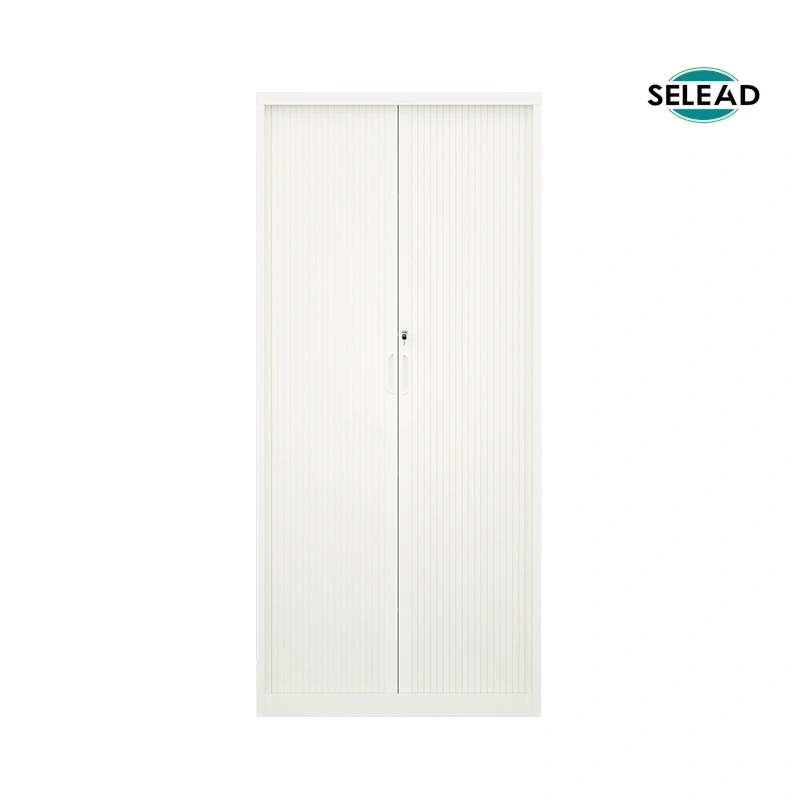
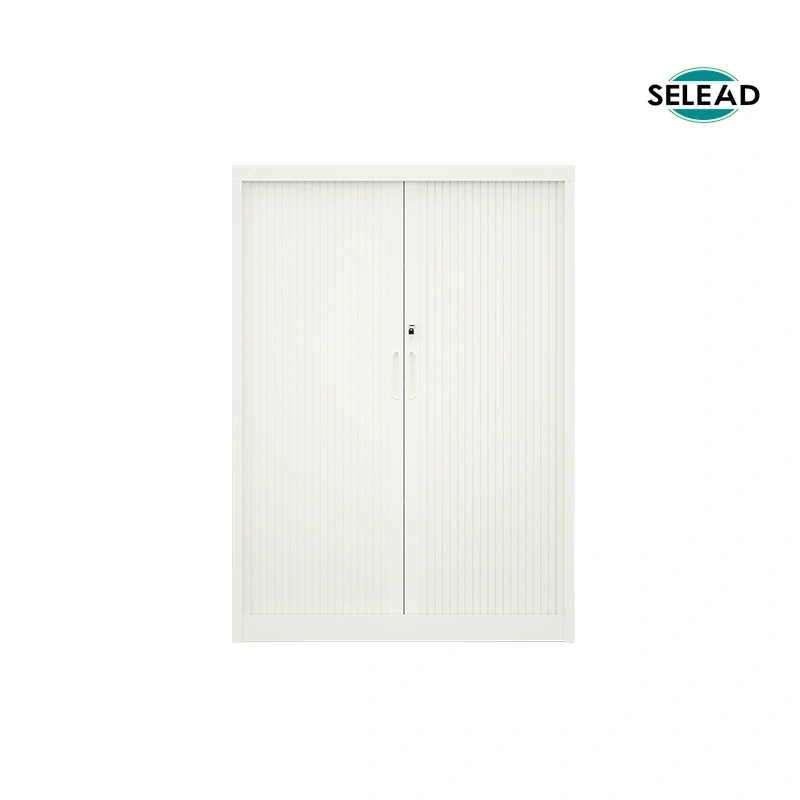
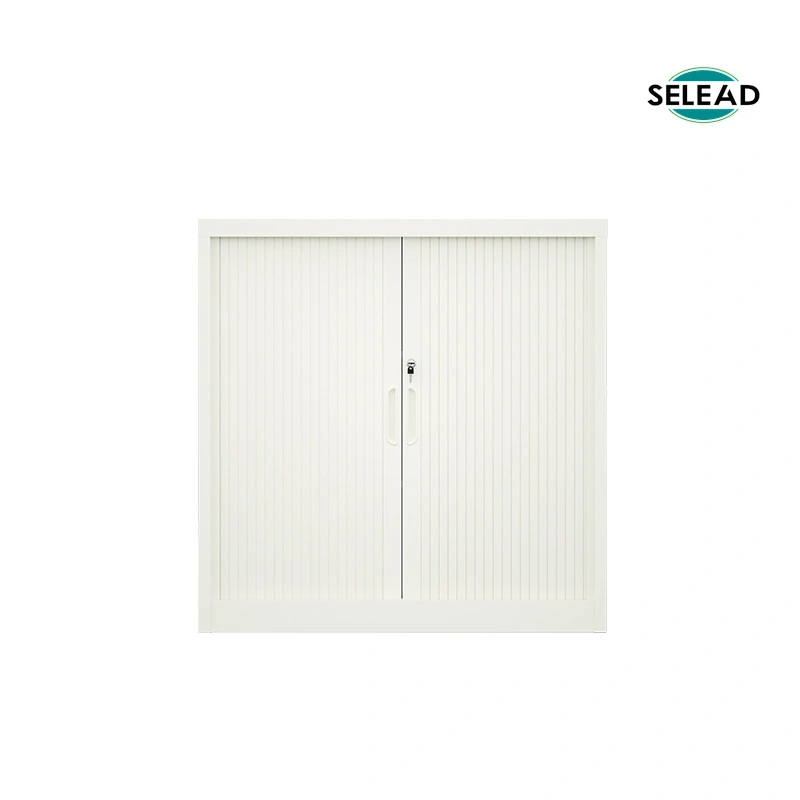
Professional-grade file storage cabinets manufactured from 0.5-0.8mm cold-rolled steel provide superior durability, security, and longevity. Cold-rolled steel withstands daily use, repeated access, and environmental stresses sustaining functionality across 20-30 year lifespans. Budget alternatives using thinner gauge materials or inferior construction fail prematurely compromising storage reliability[2][7].
Cold-rolled steel thickness provides physical security against forced entry and document theft. Thin-gauge budget cabinets offer minimal security resistance compared to professional-grade construction. Organizations storing confidential information require robust construction ensuring locking mechanisms cannot be easily compromised[2][7].
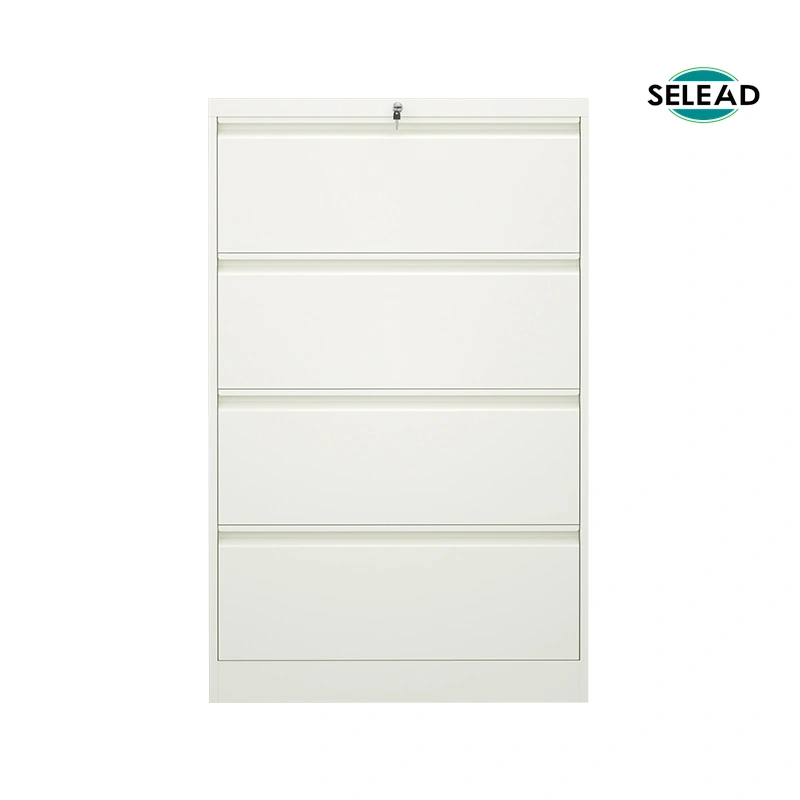
Professional file storage cabinets feature reliable locking mechanisms supporting organizational access control policies. Central locks, individual drawer locks, or electronic locks enable organizations to restrict access preventing unauthorized viewing. Quality locking hardware withstands repeated use without degradation maintaining security effectiveness[2][7].
Electronic locking systems enable sophisticated access control tracking who accessed documents and when. This audit trail capability supports compliance verification and investigation of potential unauthorized access. Organizations managing highly sensitive information benefit from electronic locking infrastructure providing detailed access documentation[2][7].
| Essential Function | Specific Benefits | Consequence of Absence |
|---|---|---|
| Regulatory Compliance | HIPAA, GLBA, legal hold support | Fines, violations, legal liability |
| Information Security | Access control, data protection | Breaches, theft, disclosure |
| Operational Efficiency | Document retrieval, workspace optimization | Productivity loss, clutter, delays |
| Business Continuity | Disaster recovery, knowledge preservation | Data loss, recovery delays |
| Professional Standards | Client confidence, appearance | Unprofessional perception, lost trust |
File storage cabinets represent non-negotiable office infrastructure supporting regulatory compliance, information security, operational efficiency, business continuity, and professional standards. The convergence of legal requirements, security necessities, operational dependencies, and professional standards creates compelling case for comprehensive file storage cabinet investment across office environments[1][2][3].
Organizations attempting to eliminate file storage through complete digitalization discover that hybrid document environments mixing digital and physical forms represent practical reality. Regulatory requirements, legal necessities, and operational requirements sustain physical document storage needs ensuring file storage cabinets remain essential office infrastructure[1][2][4].
Investing in quality file storage cabinets manufactured from durable cold-rolled steel provides decades of reliable service supporting organizational operations, compliance, and security. These investments provide disproportionate value relative to cost creating essential infrastructure supporting organizational success[2][7].
Contact Selead via WhatsApp to explore professional-grade file storage cabinet solutions meeting your office requirements, compliance obligations, and security needs. Our expertise in cold-rolled steel cabinet manufacturing ensures your organization maintains adequate, reliable document storage infrastructure supporting operational excellence and regulatory compliance.
Selead provides professionally engineered file storage cabinets supporting compliance, security, and operational requirements.
Contact Selead on WhatsApp for expert recommendations on file storage solutions meeting your office's essential requirements.
[1] HIPAA, GLBA, and Regulatory Document Storage Requirements - Compliance Framework Analysis
[2] Document Management and Organizational Efficiency - Productivity and Operational Studies
[3] Legal Discovery and Litigation Support - Document Retention and Spoliation Prevention
[4] Hybrid Digital-Physical Document Reality - Modern Office Record Management
[5] Information Security and Data Protection - Physical Security and Access Control
[6] Workplace Organization and Productivity - Ergonomics and Efficiency Research
[7] File Storage Cabinet Construction - Cold-Rolled Steel Specifications and Durability
How to Style a Red File Cabinet in Your Modern Home Office?
No next article